Screen time vs learning time: the difference that matters
Not all minutes on a screen are equal. A parent-friendly guide to telling the difference, and why the label matters less than the pattern.
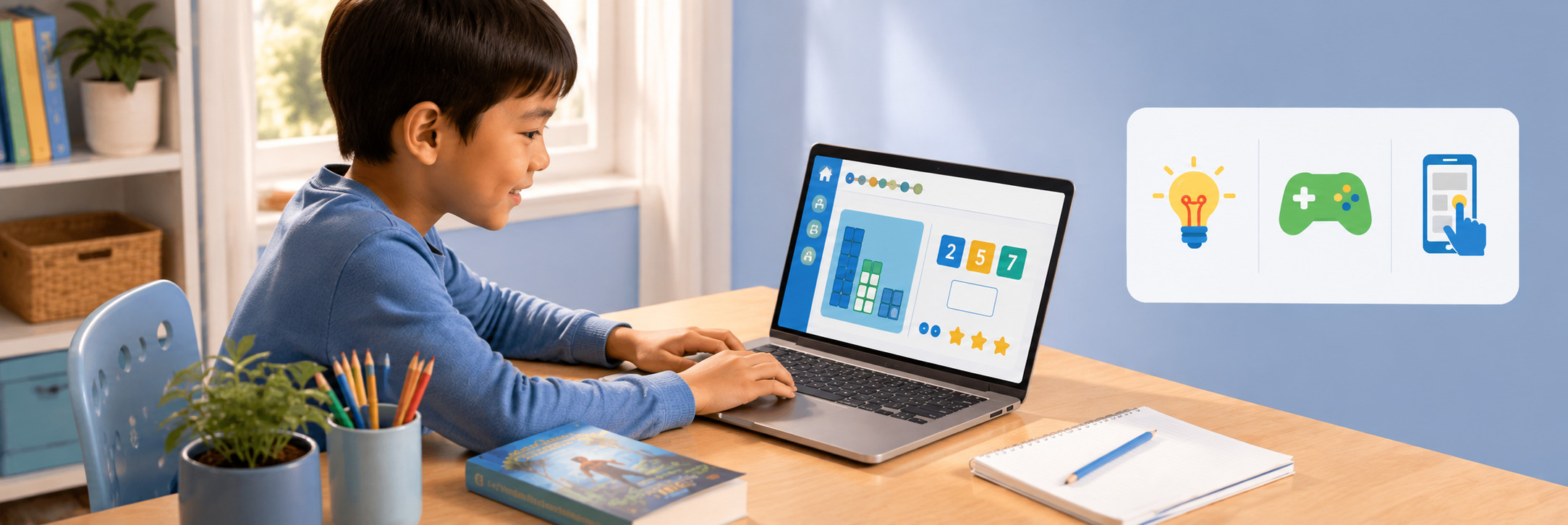
Not all minutes on a screen are equal. A parent-friendly guide to telling the difference, and why the label matters less than the pattern.
"Screen time" has become a source of modern parenting anxiety, and understandably so. But the phrase covers activities that are not really comparable. Watching a video of someone opening toys is not the same as learning something using an educational program, and neither is it the same as having a video call with grandparents.
The label matters less than the pattern. Here's how to think about it.
Three questions worth asking
- Is your child actively involved, or simply being carried along? Solving, choosing, creating and communicating generally demand more engagement than scrolling or following an autoplay feed. Quiet watching can still be valuable, but it helps to ask what is holding their attention.
- What do they take away from it? Perhaps they completed an activity, wrote a story, solved a problem or discovered something they can explain. Not every worthwhile session produces a finished product, but some sign of thought, curiosity or progress is a good signal.
- What else did it displace? An hour that would have been spent watching TV becoming an hour of active learning may be a win. An hour that would otherwise have involved sleep, outdoor play or family time is a different trade-off.
What "learning time" actually looks like
Some rough markers that a screen session is doing meaningful learning work:
- The child is interacting purposefully: typing, sorting, choosing, experimenting or explaining.
- They receive useful feedback that helps them understand what worked and what to try next.
- The content is suited to their level, so the challenge is neither frustrating nor trivial.
- You can see signs of progress: a completed unit, a growing skill or something new they can demonstrate.
- Something carries over afterwards: they explain an idea, use a new word, ask a question or apply the skill away from the screen.
None of these proves that learning is happening on its own. The pattern across several sessions matters more than any single feature.
The best "learning time" screen sessions are often the ones your child talks about at dinner or returns to with genuine curiosity.
A simple framework
Many families find it useful to divide screen time into three broad categories:
- Creating, learning and connecting: making things, practising skills and communicating with others. Boundaries can be more flexible, while still protecting sleep, movement and family time.
- Entertainment: games, TV and online video. Clear limits help, and quality matters.
- Passive feeds: short-form videos, infinite scrolling and autoplay loops. These benefit from tight limits and clear stopping points.
These are useful categories, not perfect rules. A thoughtful documentary can teach, while frantic tapping in an "educational" app may not. The purpose, quality and context of the activity matter more than the label attached to it.
That framing is often easier to apply than a single screen-time budget. It also teaches children to recognise the distinctions for themselves.
Studyladder is designed for the first bucket: active, levelled, feedback-rich learning that produces something concrete to show for the time spent. See how it works.
Keep reading
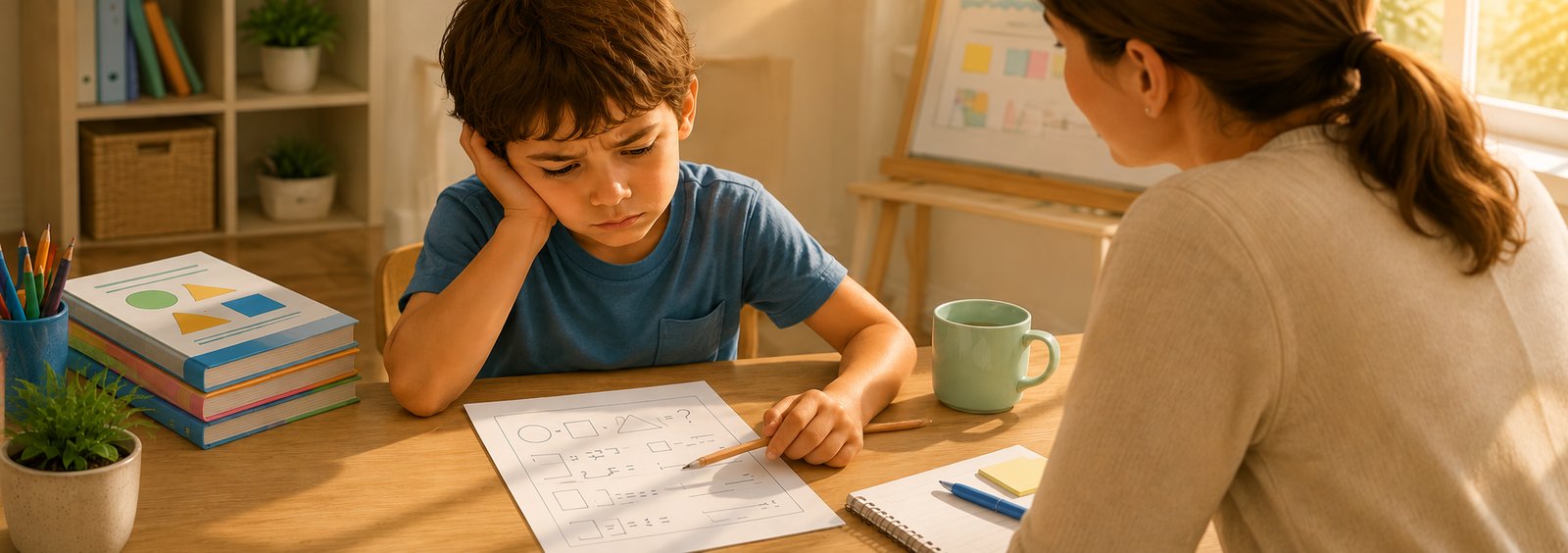
When "I can't" really means "I'm having trouble"
Children often say "I can't do it" when they mean "I'm having trouble with this part". How adults respond can help children identify what is difficult, use feedback and take the next step.
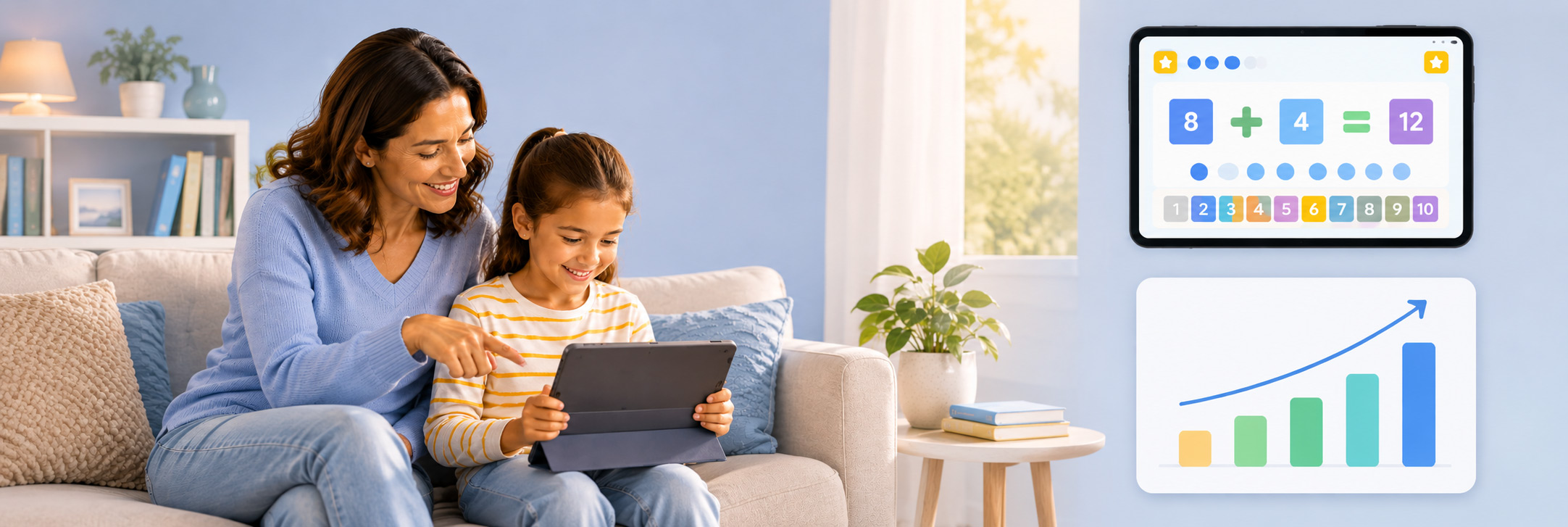
Five ways parents can support learning at home
Small habits that turn 15 minutes of practice into a real learning routine, without the homework battle.
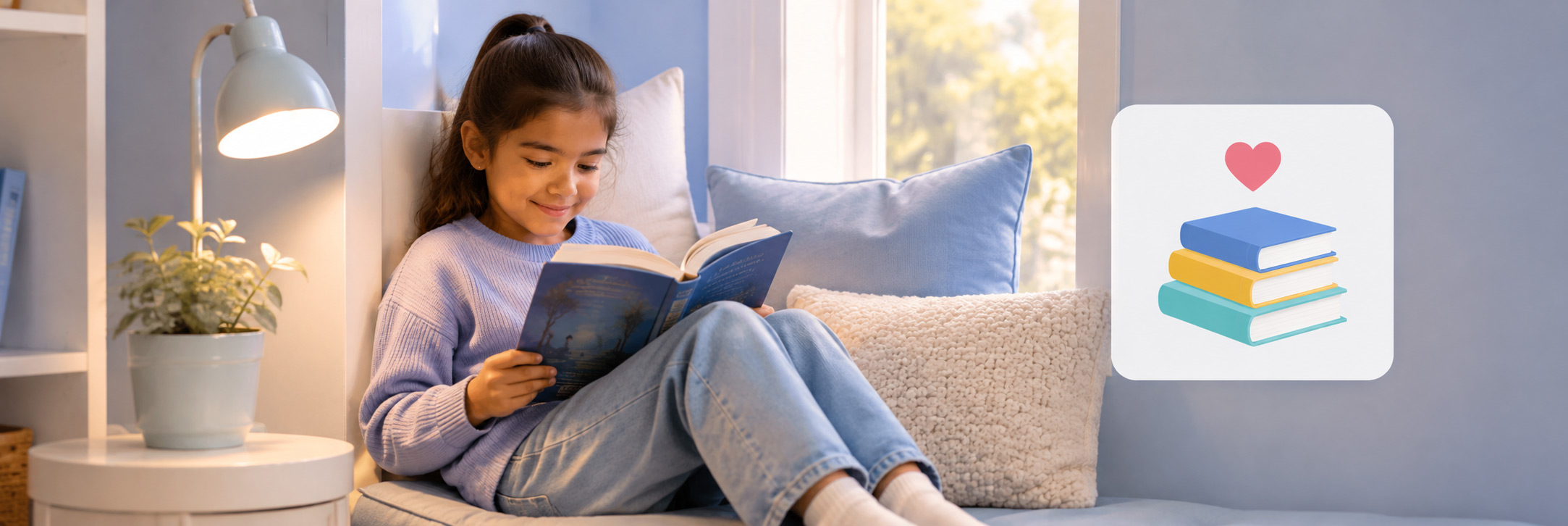
Getting reluctant readers to read for fun
Five gentle nudges that turn "I have to read" into "I want to read", without a single reward chart.